

Top Signs Your HVAC System Needs Repair or Replacement Today
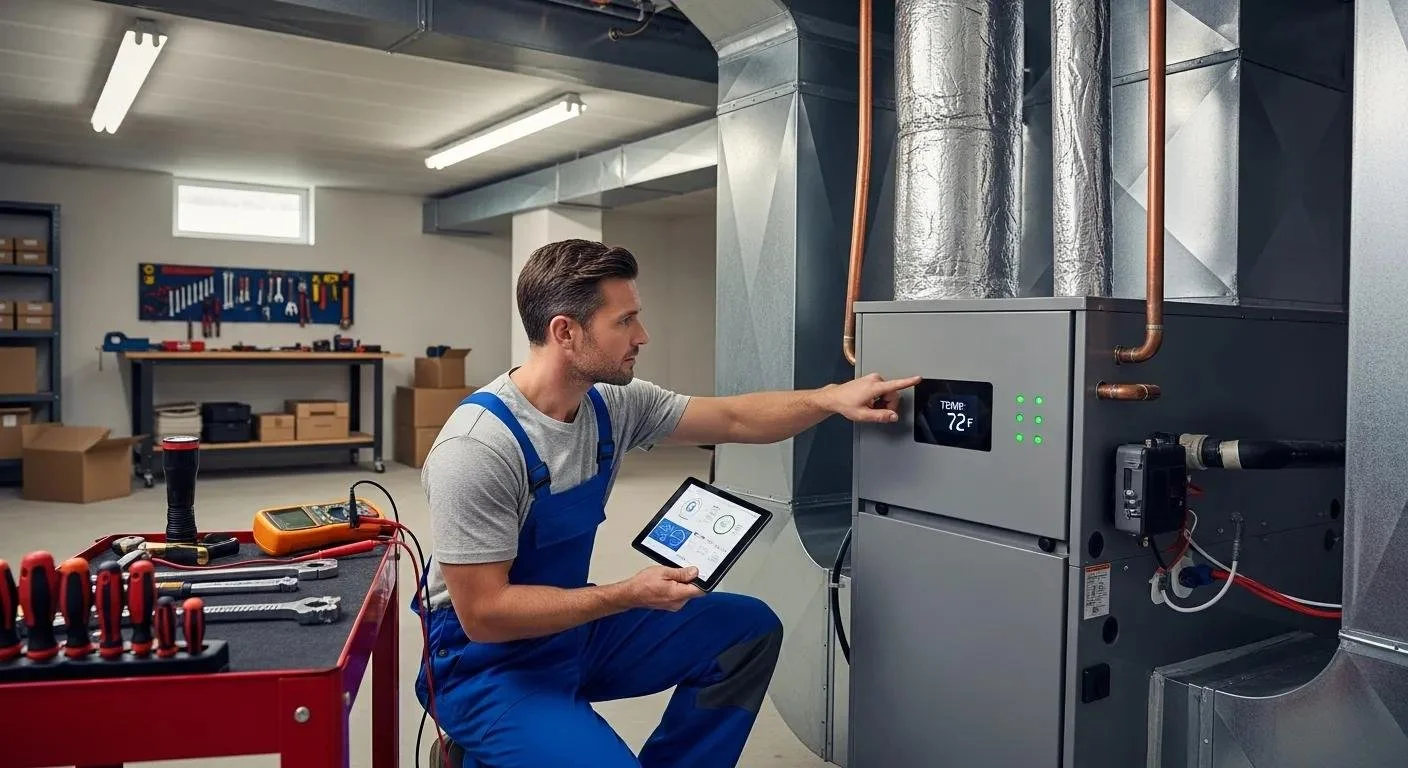
Know when your HVAC system needs repair or replacement to keep your home comfortable. Many homeowners miss key warning signs. This article outlines the top indicators to help you choose repair or replacement, explains how regular maintenance extends system life, and summarises replacement costs in Colorado Springs — plus how Rocky Mountain Mechanical can help.
What Are the Most Common HVAC Repair Signs Homeowners Should Know?
Spotting repair signs early prevents further damage and keeps your home comfortable. Watch for unusual noises, uneven temperatures, and rising energy bills. Fixing issues quickly saves money and extends your system's lifespan.
How Do Strange Noises and Odors Indicate HVAC Problems?
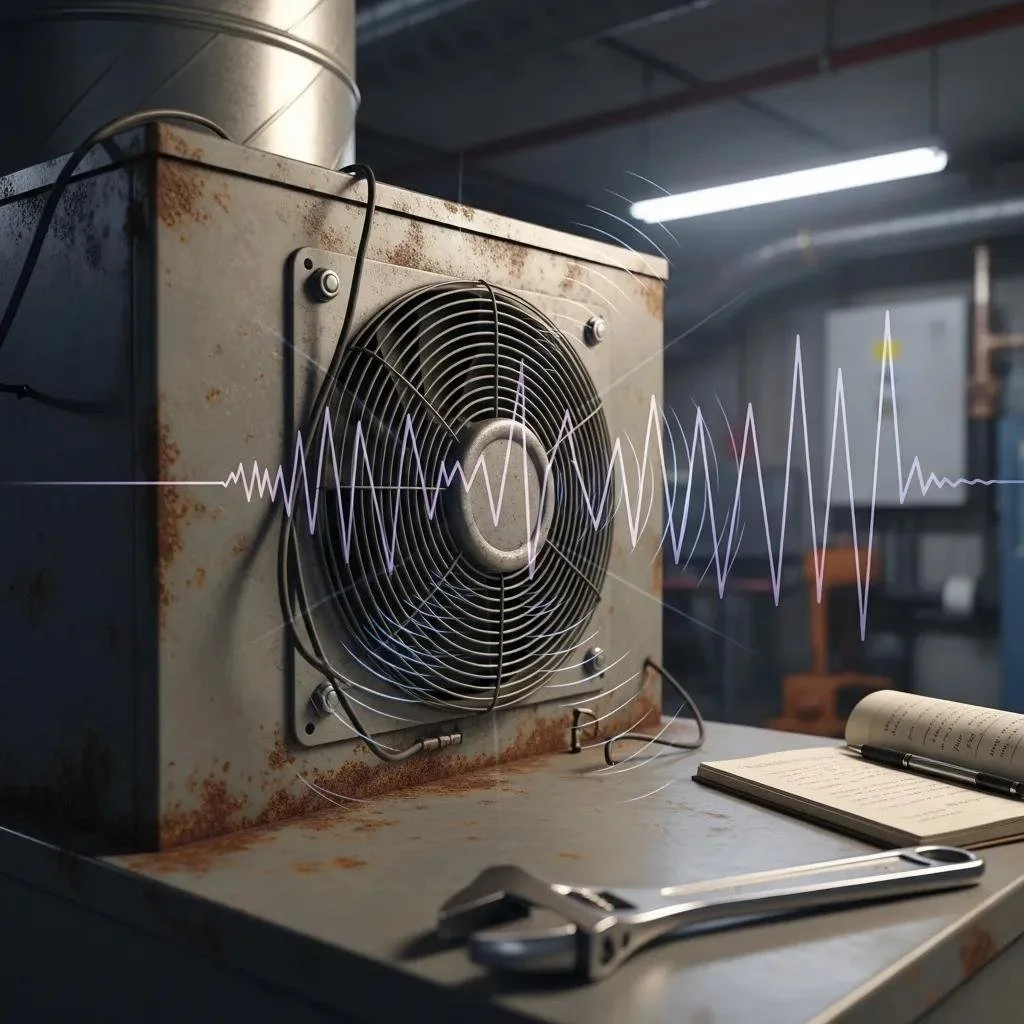
Unusual sounds usually mean mechanical trouble. Grinding or squealing often points to worn parts; hissing can indicate a refrigerant leak. A burning smell may signal electrical faults or overheating. Catching these signs early helps avoid costly repairs.
Better detection technology is making fault identification more precise.
Residential HVAC Fault Detection & Diagnostics
This report reviews the market potential for automated fault detection and diagnostics (AFDD) in the residential sector, covering embedded AFDD in central air conditioners (CAC) and air-source heat pumps (ASHP), and the use of smart diagnostic tools to ensure quality installation of CAC/ASHP equipment.
Automatic Fault Detection & Diagnostics: Residential Market Analysis, CA Antonopoulos, 2020
What Does Poor Airflow or Uneven Heating and Cooling Reveal?
Weak airflow or uneven temperatures often point to blocked vents, dirty filters, duct leaks, or a failing compressor. Addressing these problems improves efficiency and home comfort.
When Is It Time to Replace Your HVAC System Instead of Repairing It?
Choosing repair or replacement can be difficult. Frequent breakdowns and an older unit are key factors to consider when contemplating replacement.
How Does HVAC System Age Affect Replacement Decisions?
Systems lose efficiency as they age. Units over 15-20 years typically fall short of modern energy standards and cost more to run. If repairs are frequent, a new unit may be more cost-effective long term.
What Cost Factors Make Replacement More Cost-Effective Than Repair?
Repeated repairs add up, and inefficient systems raise energy bills. A new, energy-efficient HVAC unit can reduce long-term costs and improve comfort, making replacement a sensible investment in many cases.
What HVAC Troubleshooting Tips Can Help Identify System Issues Early?
Simple troubleshooting helps you spot issues before they escalate. Regular maintenance and monitoring system performance are essential for early detection.
How to Use a Maintenance Checklist to Prevent Major Repairs?
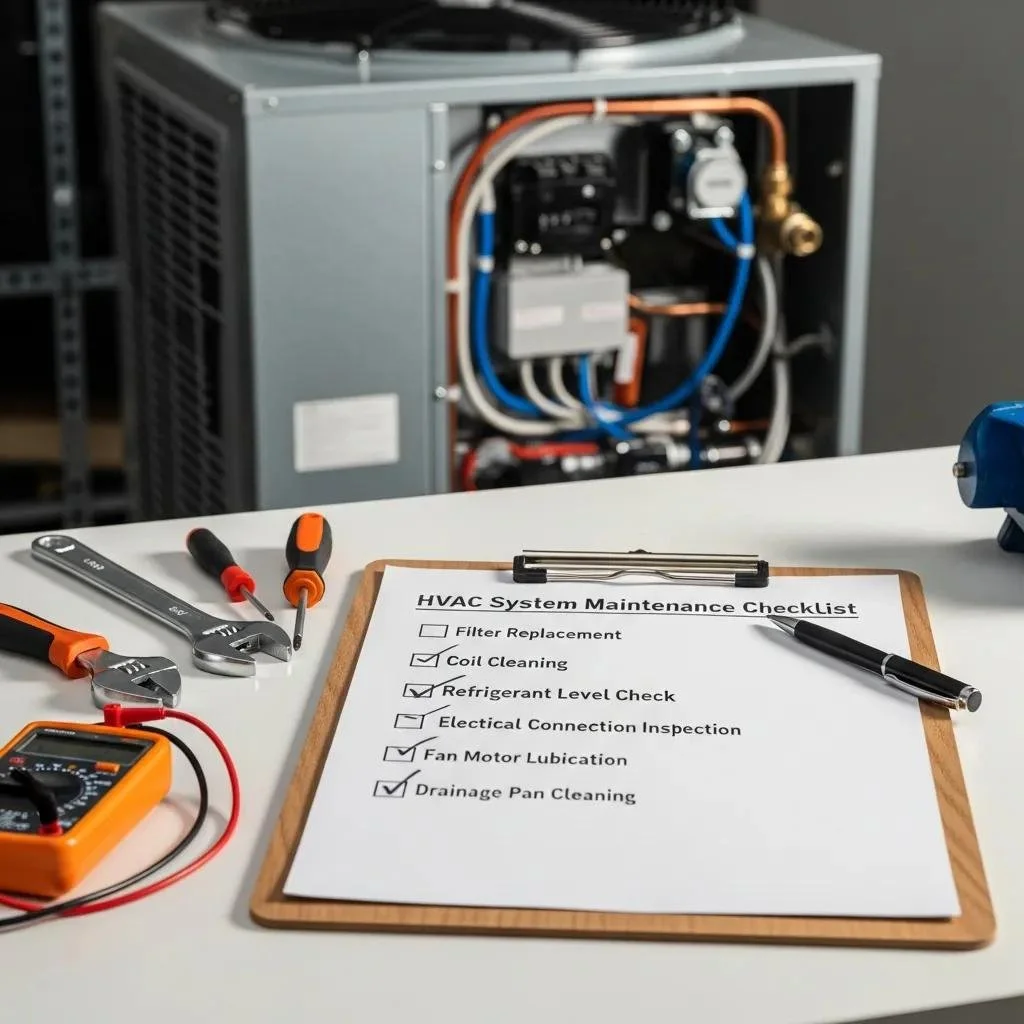
A maintenance checklist keeps your HVAC running efficiently. Key tasks include scheduling regular service, replacing air filters, and checking ductwork for leaks. Sticking to a schedule prevents major repairs and extends equipment life.
What Simple Diagnostic Steps Can Homeowners Perform Safely?
You can do basic checks: replace filters, listen for odd noises, and note unusual smells. If performance changes or problems persist, contact a professional.
Beyond DIY checks, advanced diagnostic models are emerging to provide continuous, proactive monitoring of residential HVAC systems.
Proactive Residential HVAC Diagnostics
This paper presents a monitoring and diagnostics model for residential HVAC systems that leverages cloud computing for continuous diagnostics. Algorithms process data to generate alerts, then share relevant information with homeowners and contractors via email and portals, supporting proactive maintenance with time-series data rather than the traditional reactive approach.
HVAC system cloud based diagnostics model, FM Alsaleem, 2002
How Can Regular HVAC Maintenance Extend System Lifespan and Efficiency?
Regular maintenance preserves efficiency and extends system life. Routine check-ups reduce unexpected breakdowns and costly repairs.
What Are Essential HVAC Maintenance Tasks for Colorado Springs Homeowners?
Colorado Springs homeowners should prioritise a few core maintenance tasks:
Bi-Annual Maintenance : Schedule professional inspections twice a year to ensure optimal performance.
Filter Replacement : Change air filters regularly to maintain airflow and efficiency.
Duct Inspection : Check for leaks or blockages in ductwork to ensure even heating and cooling.
These simple steps noticeably improve HVAC performance and extend system life.
How Does Proper Maintenance Reduce Repair Frequency and Costs?
Proper maintenance catches problems early, preventing major repairs and reducing costs. A well-maintained system uses less energy, lowering your utility bills and keeping your home more comfortable.
Research emphasises the benefits of well-maintained residential HVAC systems for efficiency and reliability.
Residential HVAC Servicing & Efficiency
This study targets residential customers in need of HVAC servicing and examines residential building systems, energy efficiency, and HVAC performance.
Data-driven evaluation of residential HVAC system efficiency using energy and environmental data, H Do, 2019
What Are the Typical Costs to Replace an HVAC System in Colorado Springs?
Knowing the costs for HVAC replacement helps homeowners plan. Price depends on system type, size, and installation complexity.
Which Factors Influence HVAC Replacement Pricing Locally?
Local factors include Colorado Springs' climate, contractor availability, and the new system's features and efficiency rating — all of which influence cost.
How Does Rocky Mountain Mechanical Provide Transparent Cost Estimates?
Rocky Mountain Mechanical provides transparent estimates with detailed cost breakdowns and clear communication so you can make informed decisions with confidence.
How Does Rocky Mountain Mechanical Support Homeowners With HVAC Repair and Replacement?
Rocky Mountain Mechanical specialises in HVAC repair and replacement services tailored to Colorado Springs homeowners, delivering practical solutions for common HVAC issues.
What Local Expertise Does Rocky Mountain Mechanical Offer for Colorado Climate?
They focus on energy-efficient upgrades and understand Colorado's heating and cooling needs. The team provides tailored solutions to boost comfort and efficiency in local homes.
How Can Customers Schedule Consultations and Emergency Repairs?
You can schedule consultations or emergency repairs by phone or email. Their team responds promptly to assist homeowners with HVAC needs.
Frequently Asked Questions
What are the benefits of upgrading to a modern HVAC system?
Upgrading improves energy efficiency, increases comfort, and can lower utility bills. New systems meet current standards and often include smart thermostats and better filtration to improve indoor air quality. A new unit can also raise home value and typically comes with warranties for added peace of mind.
How can I tell if my HVAC system is energy-efficient?
Check the SEER rating — higher means better efficiency. Watch your energy bills for sudden increases, and keep up with maintenance like filter changes and duct cleaning. If your system is over 15 years old, have a professional evaluate whether an upgrade makes sense.
What should I do if my HVAC system is blowing hot air?
If your system is blowing hot air, set the thermostat to "cool" and check filters and vents for blockages. If those steps don't help, it could be a refrigerant leak or a compressor issue and you should call a professional.
How often should I schedule professional HVAC maintenance?
It is recommended to schedule professional HVAC maintenance at least twice a year—once in spring before cooling season and once in fall before heating season. These visits include cleaning, component inspections, and early issue detection to avoid costly repairs.
What are the signs that my HVAC system is nearing the end of its lifespan?
Signs include frequent breakdowns, rising energy bills, and inconsistent temperatures. If your system is 15-20 years old and needs constant repairs, replacement may be more cost-effective. Unusual noises or smells also warrant professional evaluation.
Can I perform HVAC maintenance tasks myself?
Yes. You can regularly check and replace air filters, clean vents, and keep the outdoor unit free of debris. For tasks like duct inspection or handling refrigerants, hire a professional. Regular self-maintenance helps prevent major problems.
Conclusion
Spotting repair or replacement signs keeps your home comfortable and efficient. Address strange noises, poor airflow, and rising energy bills promptly to save money and extend your system's life. Regular maintenance and informed choices keep your HVAC performing well. For expert help and tailored solutions, contact Rocky Mountain Mechanical.