

Master Your Home Comfort: DIY HVAC Troubleshooting Guide
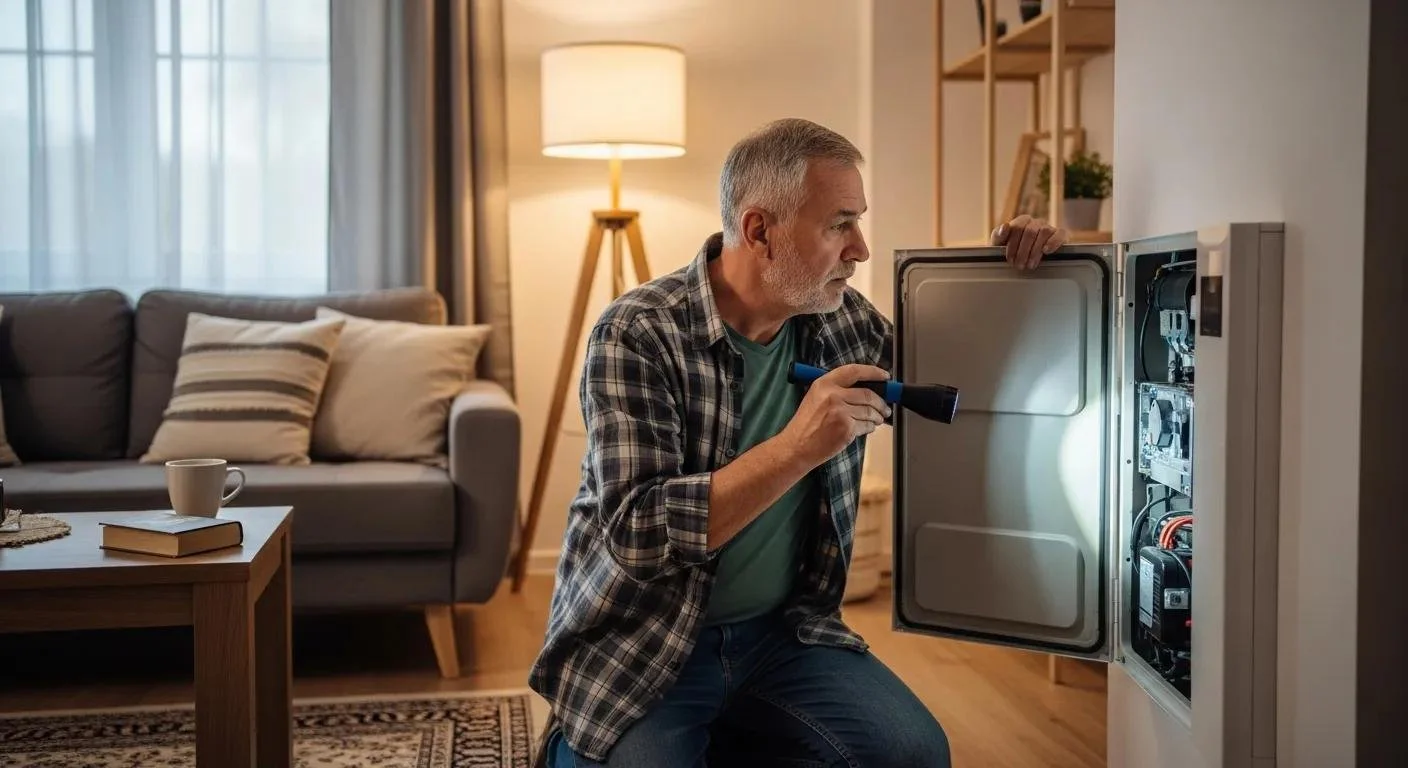
HVAC problems can make your home uncomfortable and push up energy bills. Learning basic troubleshooting saves time and money. This guide walks you through common faults, step-by-step fixes, and routine maintenance. Learn how to spot issues with air conditioners, furnaces and thermostats, how to maintain your system, and when to call a pro.
What Are the Most Common HVAC Problems Homeowners Face?
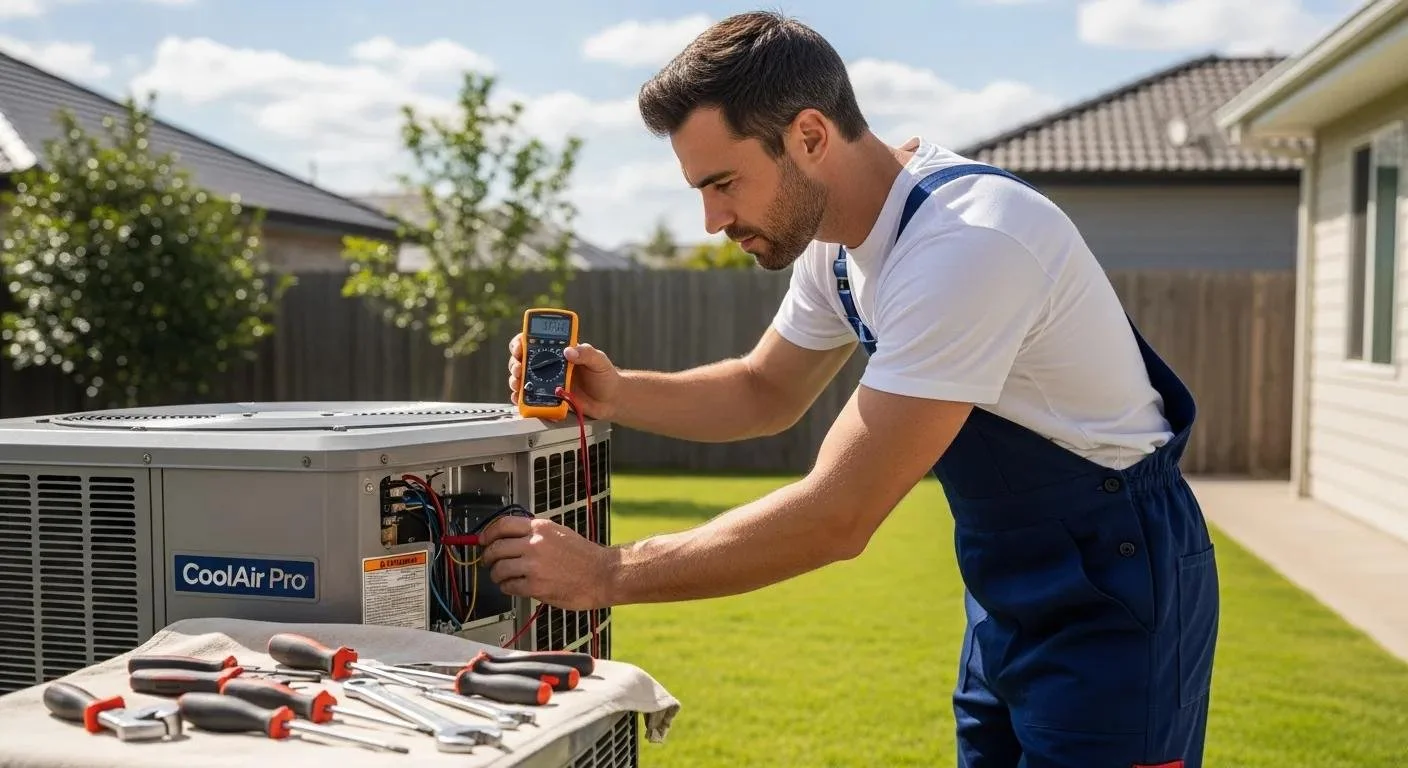
Many homeowners run into HVAC issues that hurt comfort and efficiency. Spotting them early limits damage and cost. Common problems include odd noises, uneven temperatures and rising energy bills.
New tools and sensors are also being developed to automate detection of these frequent HVAC faults.
Automated Fault Detection for Residential AC & Heat Pumps
This report reviews the market potential for automated fault detection and diagnostics (AFDD) in homes. It focuses on embedded AFDD for central air conditioners (CAC) and air-source heat pumps (ASHP) and on smart diagnostic tools that support quality installation. The contents cover AFDD background, stakeholder outreach, a technology assessment, CAC and ASHP market trends, installed-base characteristics, utility programs, and market barriers.
Automatic Fault Detection & Diagnostics: Residential Market Analysis, CA Antonopoulos, 2020
Unusual Noises: Strange sounds from the HVAC system can indicate mechanical issues or loose components.
Inconsistent Temperatures: Fluctuating temperatures throughout the home may suggest problems with the thermostat or ductwork.
Increased Energy Bills: A sudden spike in energy costs can signal inefficiencies in the HVAC system, often due to lack of maintenance or malfunctioning parts.
How to Identify Air Conditioner Issues Like No Cooling or Strange Noises
Finding AC issues starts with simple checks and careful listening. Look for weak airflow, odd sounds, or poor cooling. These clues point to filters, airflow or component problems.
Observe Symptoms: Pay attention to any unusual noises or lack of cooling.
Check Air Filters: Dirty filters can restrict airflow, leading to cooling issues.
Inspect Vents: Ensure that vents are open and unobstructed to allow proper airflow.
What Are Typical Furnace Problems and Their Symptoms
Furnaces show problems through noise, uneven heating, or higher bills. These signs can indicate worn parts, duct leaks or thermostat faults.
Unusual Noises: Banging or rattling sounds may indicate loose parts or mechanical failure.
Inconsistent Heating: If some rooms are warm while others are cold, it may point to ductwork issues or a malfunctioning thermostat.
Increased Energy Bills: A furnace that works harder than necessary can lead to higher energy costs.
How Can Homeowners Troubleshoot Air Conditioner Problems Step-by-Step?
Many AC issues are solvable with a few straightforward steps. Follow a simple checklist to restore cooling or identify when you need a technician.
Check and Replace Air Filters: Regularly changing filters can improve airflow and efficiency.
Inspect Vents: Ensure that all vents are open and free from obstructions.
Look for Refrigerant Leaks: If the air conditioner is not cooling, check for signs of refrigerant leaks, which require professional repair.
What DIY Checks Can Fix an Air Conditioner Not Cooling?
If your AC isn't cooling well, try a few DIY checks first. Confirm thermostat mode and temperature. Clear debris from the outdoor unit. Replace dirty filters. If none of that helps, suspect a refrigerant leak or compressor issue and call a pro.
Check Thermostat Settings: Ensure the thermostat is set to the cooling mode and the desired temperature.
Inspect the Outdoor Unit: Clear debris around the outdoor unit to ensure proper airflow.
Look for Refrigerant Leaks: If there are signs of leaks, contact a professional for repair.
When Should You Consider Professional Air Conditioner Repair?
Bring in a professional when basic fixes don't work or when you see clear warning signs. Strange noises, ongoing poor cooling, or a sudden jump in energy bills all justify expert diagnosis.
Unusual Noises: If the unit is making strange sounds, it may require expert diagnosis.
Inconsistent Cooling: If the air conditioner fails to cool effectively despite troubleshooting, professional help is advised.
Increased Energy Bills: A significant rise in energy costs without a change in usage may indicate a malfunction.
What Are Effective Furnace Troubleshooting Solutions for Homeowners?
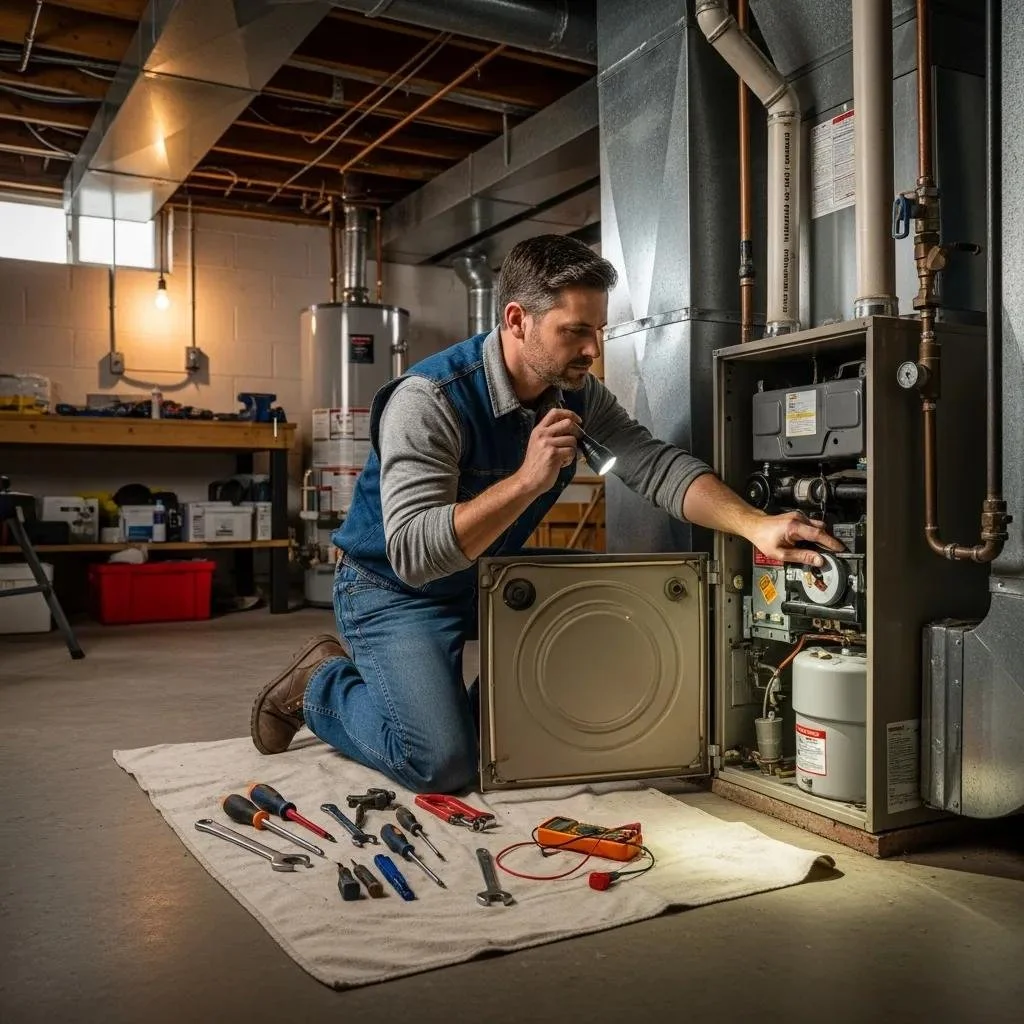
You can reduce furnace issues with routine checks and seasonal prep. Regular servicing, spotting early warning signs, and preparing the system for winter keep it reliable.
Regular Maintenance: Schedule annual inspections to ensure the furnace operates efficiently.
Recognizing Signs of Trouble: Be aware of unusual noises or inconsistent heating as indicators of potential issues.
Preparing for Winter: Ensure the furnace is ready for winter by checking filters and inspecting the ignition system.
How to Diagnose and Fix Furnace Ignition and Heating Issues
Start with basic safety checks. Confirm the ignition lights and pilot work. Inspect heating elements for wear. If you smell gas or suspect a leak, leave immediately and call a professional.
Check Ignition System: Ensure the ignition system is functioning correctly and replace faulty components.
Inspect Heating Elements: Look for any signs of wear or damage in heating elements.
Look for Gas Leaks: If gas is suspected, evacuate the area and contact a professional immediately.
When Is Furnace Replacement Recommended Over Repair?
Replacement can be the smarter choice if the unit breaks down often, can’t keep rooms warm, or if repair bills approach half the cost of a new furnace. Age and efficiency also matter.
Frequent Breakdowns: If the furnace requires frequent repairs, it may be time for a new unit.
Inconsistent Heating: A furnace that cannot maintain consistent temperatures may need replacement.
High Repair Costs: If repair costs exceed 50% of the replacement cost, consider investing in a new furnace.
How Do You Troubleshoot Thermostat Issues and Improve HVAC Control?
Thermostat faults can mimic larger HVAC problems. Check settings, power and cleanliness first. These quick checks often restore correct control.
Check Thermostat Settings: Ensure the thermostat is set correctly for heating or cooling.
Inspect Power Supply: Verify that the thermostat has power and replace batteries if necessary.
Clean the Thermostat: Dust and debris can affect performance; clean the thermostat regularly.
What Are Common Thermostat Problems and How to Calibrate Them?
Thermostats may report wrong temperatures, lose power, or need calibration. These issues cause inefficiency and uneven comfort.
Incorrect Temperature Readings: This can lead to inefficient heating or cooling.
Power Issues: If the thermostat is unresponsive, check the power supply.
Calibration Needs: Regular calibration ensures accurate temperature readings.
To calibrate a thermostat, homeowners should:
Check for Dust and Debris: Clean the thermostat to ensure proper function.
Ensure Proper Wiring: Verify that all connections are secure.
Recalibrate if Necessary: Follow the manufacturer's instructions for recalibration.
How Does Smart Thermostat Integration Enhance HVAC Efficiency?
Smart thermostats give tighter control and lower energy use. They let you set schedules, adjust remotely, and optimise comfort while cutting costs.
Enhanced Temperature Control: Smart thermostats allow for precise temperature adjustments based on user preferences.
Reduced Energy Consumption: These devices can optimize heating and cooling schedules to save energy.
Lower Utility Bills: By improving efficiency, homeowners can see a reduction in monthly energy costs.
Advances in diagnostics are shifting maintenance from reactive repairs to proactive monitoring and fixes.
Residential HVAC Cloud Diagnostics for Homeowners
This paper describes a new monitoring and diagnostics model for residential HVAC. It uses embedded sensors and monitoring modules on indoor and outdoor units. Measurements are sent over the homeowner’s existing Wi‑Fi to cloud servers. Cloud algorithms analyse time-series data and trigger alerts when anomalies appear. Information is shared with homeowners and contractors via email and portals. The paper includes case studies that show the value of proactive maintenance versus the traditional reactive model.
HVAC system cloud based diagnostics model, FM Alsaleem, 2014
What HVAC Maintenance Best Practices Prevent Common Problems?
Routine maintenance prevents most common HVAC failures. Follow a few regular actions to keep systems efficient and reliable.
Scheduled Check-Ups: Regular inspections by a professional can identify potential issues before they escalate.
Air Filter Maintenance: Change filters every 1-3 months to ensure optimal airflow.
Cleaning Coils: Keep evaporator and condenser coils clean to maintain efficiency.
Which Tasks Should Be Included in a Homeowner’s HVAC Maintenance Checklist?
A good checklist covers filters, ductwork and annual professional tune-ups. These tasks preserve airflow, cut losses and extend system life.
Check and Replace Air Filters: Regularly inspect and replace filters to maintain airflow.
Inspect Ductwork for Leaks: Ensure that ductwork is sealed properly to prevent energy loss.
Schedule Annual Tune-Ups: Professional tune-ups can enhance system performance and longevity.
How Does Regular Maintenance Improve HVAC System Longevity and Efficiency?
Regular care boosts efficiency, stretches equipment life and lowers repair costs. Small, steady investments pay off over time.
Improved Energy Efficiency: Well-maintained systems operate more efficiently, reducing energy costs.
Extended Lifespan: Regular check-ups can prolong the life of HVAC systems.
Cost Savings: Preventative maintenance can reduce the need for costly repairs.
When Should Homeowners Call a Professional HVAC Repair Service?
Call a pro when you see clear warning signs or when DIY steps don’t fix the problem. Experts can diagnose hidden faults and ensure safe repairs.
Unusual Noises from the HVAC System: Strange sounds can signal mechanical issues that require expert attention.
Inconsistent Temperatures Throughout the Home: If some areas are significantly warmer or cooler, it may indicate a problem.
Increased Energy Bills: A sudden rise in energy costs without a change in usage patterns can suggest inefficiencies.
What Signs Indicate the Need for Expert HVAC Diagnostics and Repair?
Watch for frequent breakdowns, rising energy bills, or systems older than 10–15 years. These factors often mean professional diagnostics or replacement is needed.
Frequent Breakdowns: If the system frequently malfunctions, it may require expert diagnosis.
Rising Energy Bills: A significant increase in energy costs can signal underlying issues.
System Age Over 10-15 Years: Older systems may require replacement rather than repair.
How Does Rocky Mountain Mechanical Support Colorado Springs Homeowners?
Rocky Mountain Mechanical is a Colorado Springs HVAC company that handles repair and replacement. They provide cooling and heating services and offer emergency support when urgent repairs are needed.
HVAC Repair and Replacement: Comprehensive services to address all HVAC needs.
Cooling and Heating Services: Expertise in both heating and cooling systems.
Emergency HVAC Services: Available for urgent repairs to ensure comfort and safety.
Frequently Asked Questions
What are the signs that my HVAC system needs maintenance?
Look for loud or unusual noises, uneven temperatures across rooms, and sudden spikes in energy bills. Banging or rattling often means loose or failing parts. If some rooms are much warmer or cooler, check ducts and the thermostat. A sudden cost increase usually signals inefficiency that needs attention.
How often should I change my HVAC air filters?
Change filters every 1 to 3 months in most homes. If you have pets, allergies, or live in a dusty area, change them more often. Fresh filters keep airflow steady, improve efficiency, and help your system last longer. Follow the manufacturer's recommendations for your specific filter.
Can I perform HVAC maintenance myself, or should I hire a professional?
You can handle basic tasks like changing filters and clearing vents. But leave electrical checks, refrigerant handling and coil cleaning to professionals. Annual professional inspections help spot issues early and keep the system safe and efficient. When in doubt, call a technician.
What should I do if my HVAC system is blowing hot air instead of cold?
First, confirm the thermostat is set to cooling. Check and replace dirty filters. Remove debris around the outdoor unit. If those steps don't help, it could be a refrigerant leak or compressor fault — both need a qualified technician.
How can I improve the efficiency of my HVAC system?
Keep up with regular maintenance like filter changes and annual tune-ups. Seal ducts, use programmable thermostats, and improve insulation to reduce losses. Upgrading to efficient appliances and using ceiling fans also cuts energy use and bills.
What are the benefits of installing a smart thermostat?
Smart thermostats let you adjust settings remotely and learn your routine to optimise heating and cooling. They can reduce energy use, provide usage reports, and help lower your utility bills while keeping your home comfortable.
When is it time to replace my HVAC system instead of repairing it?
Consider replacement if the system is 10–15 years old, breaks down often, or repair costs exceed about 50% of a new unit. Also consider replacement if the system can’t keep temperatures steady or your energy bills keep rising despite fixes.
Conclusion
Knowing basic HVAC troubleshooting keeps your home comfortable and cuts repair costs. Use these checks and maintenance tips to keep systems running smoothly, and call a professional when problems persist. Explore more resources to improve efficiency and reliability at home.