

Master HVAC Repairs: Step-by-Step Tips for Success
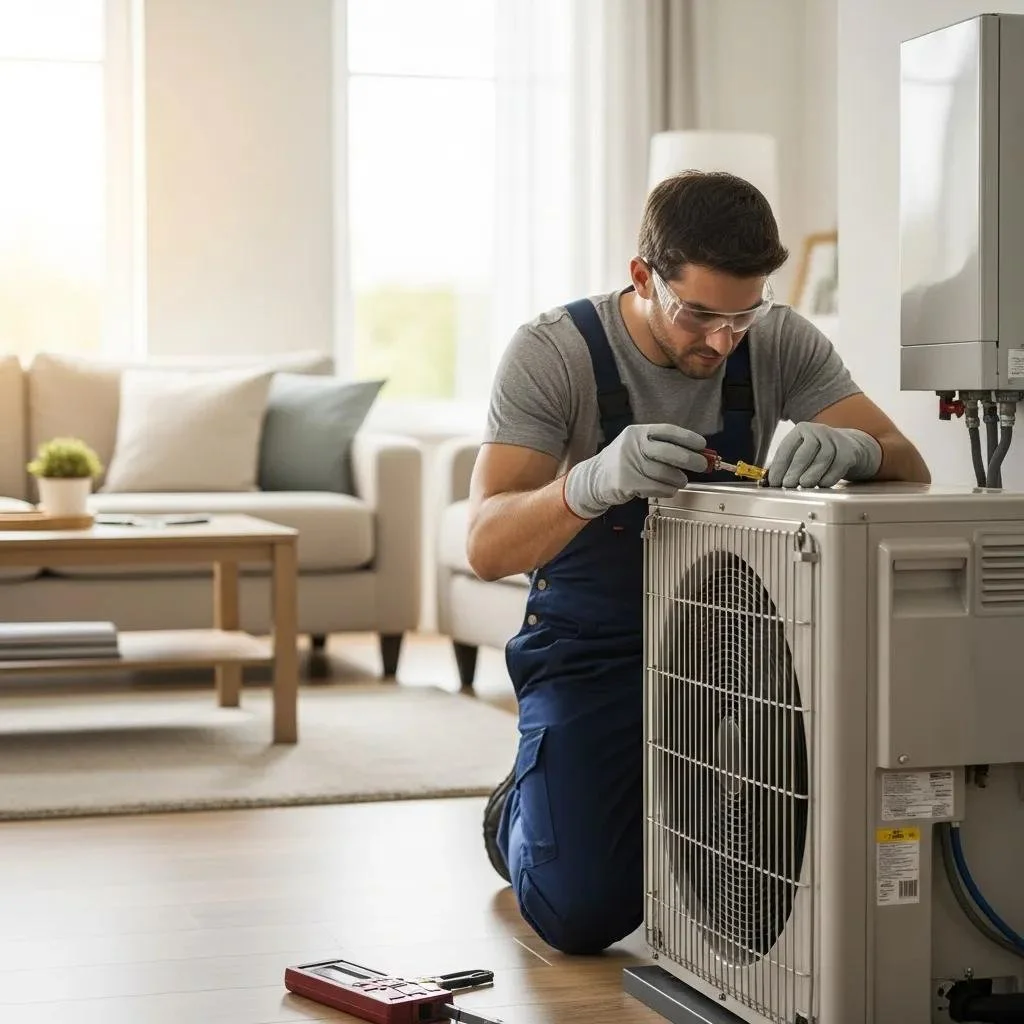
HVAC systems keep your home comfortable, but they can develop problems. This guide gives homeowners clear troubleshooting steps, maintenance tips, and straightforward repair procedures. Learn to spot issues, handle basic fixes, and know when to call a pro so you save time and money while keeping your system efficient.
Research shows operational faults in HVAC systems are a major source of energy waste in buildings.
HVAC Faults: Impact on Energy & Efficiency
Building HVAC systems account for more than 30% of annual energy consumption in United States. However, it has become apparent that only in a small percentage of buildings do HVAC systems work efficiently or in accordance with design intent. Studies have shown that operational faults are one of the main reasons for the inefficient performance of these systems. It is estimated that an energy saving of 5 to 15 percent is achievable simply by fixing faults and optimizing building control systems.
Fault detection and diagnosis in building HVAC systems, 2010
How Do You Troubleshoot Common HVAC System Issues?
Troubleshooting starts with a clear, step-by-step check: note noises, temperature differences, and any sudden rise in energy use. These signs point to common faults you can inspect before they get worse.
What Are the Signs of Air Conditioner Problems and How to Diagnose Them?
Air conditioner issues show up in a few predictable ways. Spotting them early helps prevent bigger repairs.
Unusual Noises : Sounds like grinding, squealing, or hissing may indicate mechanical issues.
Inconsistent Cooling : If some rooms are cooler than others, it may suggest airflow problems or refrigerant issues.
Increased Energy Bills : A sudden spike in energy costs can signal that the system is working harder than it should.
To diagnose, check the thermostat settings, inspect air filters for dirt, and look through ducts for obvious blockages.
How to Identify Furnace Malfunctions and Ignition Issues?
Furnace faults can make your home uncomfortable in cold weather. Watch for these warning signs so you can act quickly.
Signs of Malfunction : This includes strange noises, such as banging or popping, which may indicate mechanical failure.
Thermostat Inspection : Ensure the thermostat is functioning correctly and set to the desired temperature.
Air Filter Examination : A clogged air filter can restrict airflow, causing the furnace to work inefficiently.
These simple checks help you locate the issue and decide the next step.
What Are the Step-by-Step Repair Procedures for Air Conditioners?
Fixing AC problems works best when you follow a clear sequence: identify the symptom, rule out basic causes, then perform targeted maintenance or call a technician.
How to Clean and Replace Air Conditioner Filters Effectively?
Clean or replace filters to keep airflow steady and efficiency high. Handling filters correctly prevents strain on the system.
Turn Off the Power : Always ensure the unit is powered down before performing maintenance.
Remove the Filter : Locate the filter, usually found in the return air duct or the unit itself, and carefully remove it.
Clean or Replace : If the filter is reusable, clean it with water and let it dry completely. If it’s disposable, replace it with a new one.
Keeping filters maintained improves air quality and helps the system run more efficiently.
What Are the Steps to Fix an Air Conditioner That Won’t Cool?
If your AC won’t cool, start with basic checks and address the simplest causes first before escalating.
Check Air Filters : Ensure filters are clean and free of debris.
Inspect Refrigerant Levels : Low refrigerant can hinder cooling; consider calling a professional if levels are low.
Clean Coils : Dirty coils can impede heat exchange; gently clean them with a soft brush or cloth.
Resolving these common problems often restores the unit to proper cooling performance.
How to Perform Furnace Repair Steps Safely and Efficiently?
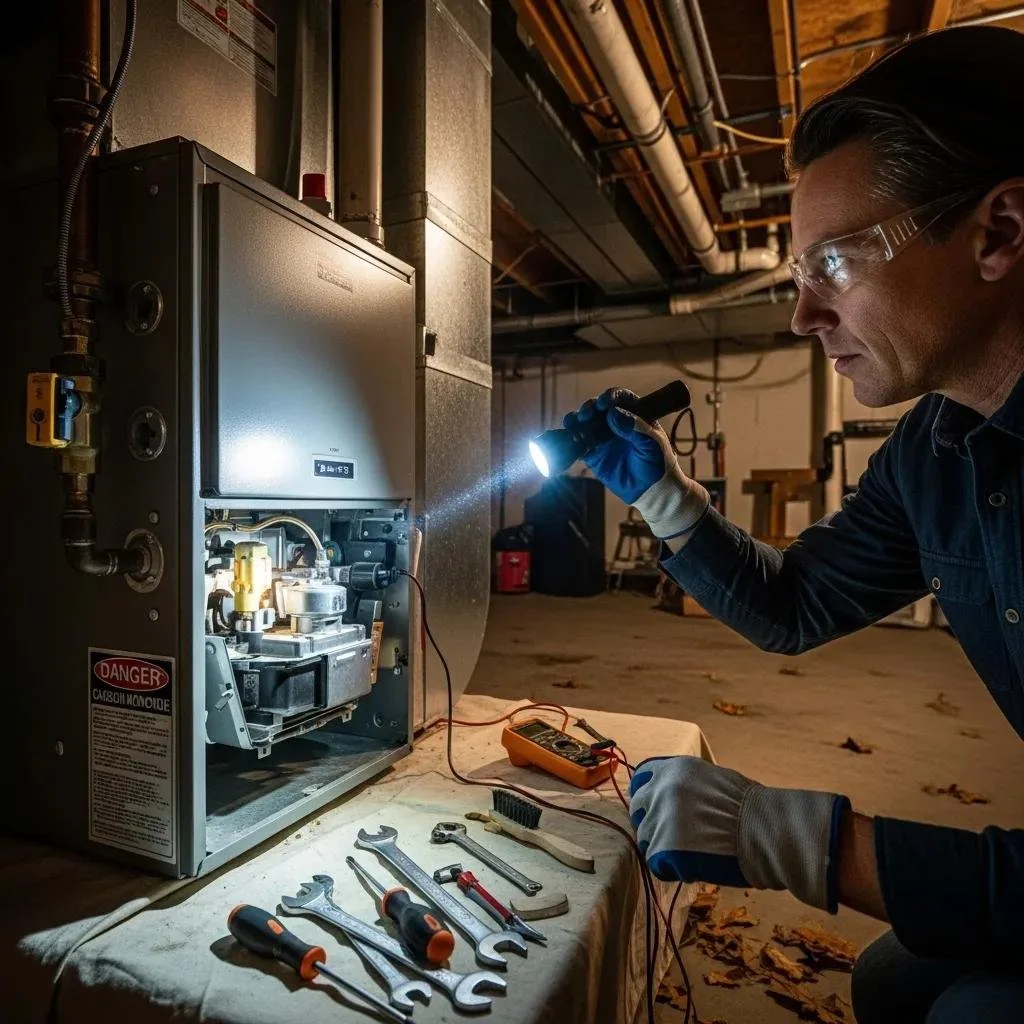
Furnace repair needs care and attention to safety. Follow established steps and shut power or gas when required to reduce risk.
What Are Common Furnace Problems and How to Fix Them?
Common furnace problems include:
Unusual Noises : Identify the source of the noise and check for loose components.
Inconsistent Heating : Inspect the thermostat and ensure it is functioning correctly.
Increased Energy Bills : Regular maintenance can help prevent inefficiencies that lead to higher costs.
Tackling these issues quickly improves performance and extends the furnace's service life.
How to Inspect and Repair Furnace Ignition and Thermostat Issues?
Inspect ignition and thermostat systems methodically to confirm they light and control heat as intended.
Checking the Ignition System : Ensure the pilot light is lit and functioning correctly.
Inspecting Thermostat Settings : Verify that the thermostat is set to the desired temperature and is functioning properly.
These checks help ensure safe, efficient furnace operation and identify when you need professional service.
What HVAC Maintenance Tips Help Prevent Future Repairs?
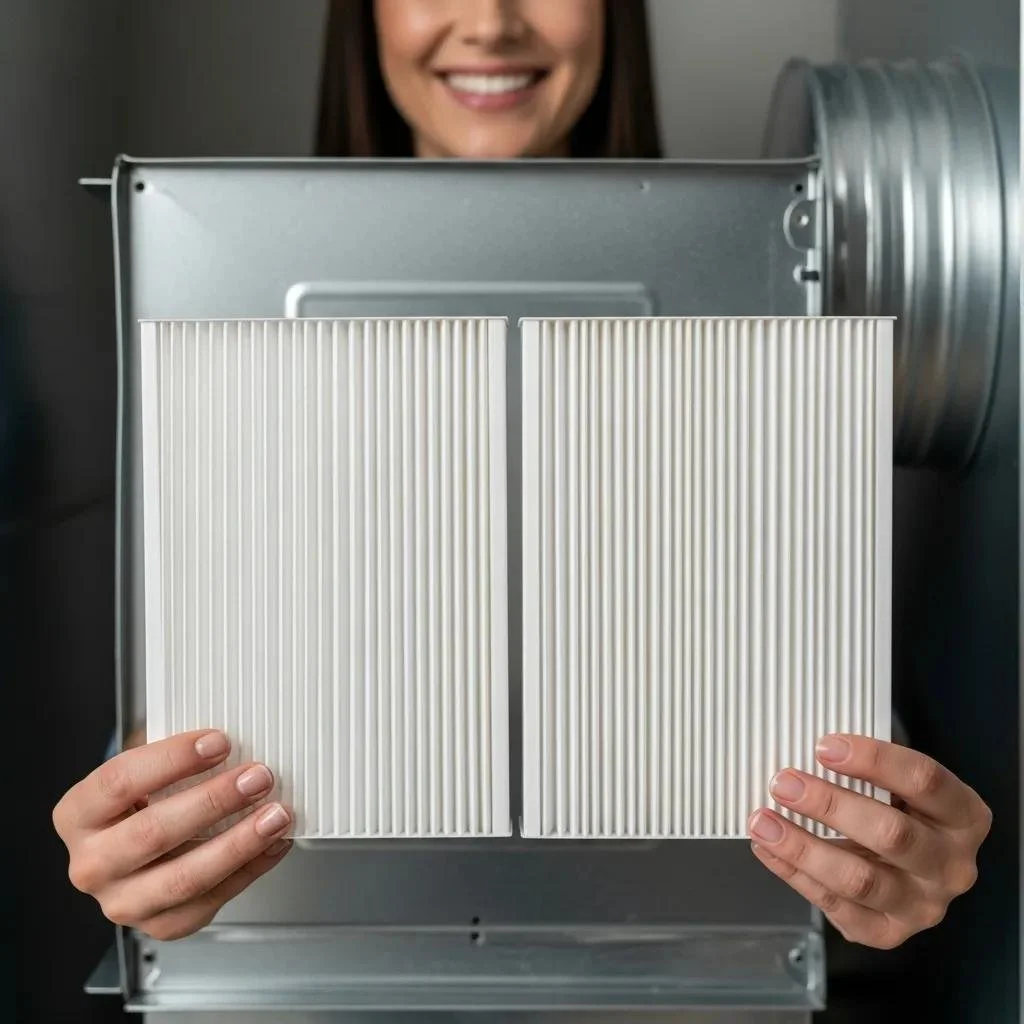
Regular maintenance prevents problems and keeps systems running efficiently. A few routine tasks go a long way toward avoiding costly repairs.
How Often Should HVAC Filters Be Replaced or Cleaned?
Replace or clean filters every 1–3 months, depending on use and filter type. Regular attention preserves airflow and efficiency.
Proper filter care matters; studies link filter maintenance to system performance and energy efficiency.
HVAC Air Filters: Impact on System Performance & Energy Efficiency
Filters are used in heating, ventilation, and air-conditioning (HVAC) systems for both commercial and residential buildings to protect the equipment and improve indoor air quality in conditioned spaces. Although there are many benefits of using the air filter in an air-conditioning system, the resistance associated with it can increase fan energy use and may adversely affect air-conditioning system performance and efficiency.
The impact of air filter pressure drop on the performance of typical air-conditioning systems, N Nassif, 2012
What Are Essential Seasonal Maintenance Tasks for HVAC Systems?
Seasonal tasks prepare systems for changing loads and reduce breakdown risk.
Spring Maintenance for A/C : Check refrigerant levels, clean coils, and inspect electrical components.
Fall Maintenance for Furnace : Inspect the ignition system, clean filters, and ensure proper airflow.
These seasonal checks help your HVAC handle summer and winter demands without surprises.
When Should You Call a Professional for HVAC Repair Services?
Knowing when to call a professional saves time and prevents costly mistakes. Some problems need expert attention right away.
What Are Emergency HVAC Repair Situations Homeowners Should Know?
Emergency situations include:
Broken Furnace in Winter : A malfunctioning furnace during cold weather can pose serious risks.
Failing Air Conditioner in Summer : An air conditioner that fails during a heatwave can lead to discomfort and health risks.
In these scenarios, contact a licensed technician for prompt, safe repairs.
How Does Rocky Mountain Mechanical Provide Local HVAC Repair Expertise?
Rocky Mountain Mechanical is a Colorado Springs-based HVAC service provider specializing in repair and replacement services. Their skilled technicians offer a range of HVAC services , including preventative maintenance plans to help homeowners avoid costly repairs. By choosing Rocky Mountain Mechanical, homeowners can ensure their HVAC systems are in expert hands.
Frequently Asked Questions
What are the benefits of regular HVAC maintenance?
Regular maintenance extends equipment life, lowers energy bills, and reduces breakdowns. Seasonal check-ups catch small issues early and keep indoor air quality high, saving you money over time.
How can I improve the energy efficiency of my HVAC system?
Improve efficiency by changing or cleaning filters, sealing duct leaks, adding insulation, and using a programmable thermostat. Proper sizing and upgrading to efficient equipment also reduce energy use.
What should I do if my HVAC system is making strange noises?
Address noises quickly. Check filters and ducts for blockages, then inspect the blower and fan. If the sound continues, have a technician diagnose internal components to avoid further damage.
How can I tell if my HVAC system needs to be replaced?
Consider replacement if the system is 10–15 years old, needs frequent repairs, drives up energy bills, or causes uneven temperatures. Systems using R-22 refrigerant are also candidates for upgrade. A professional assessment will confirm the best option.
What are the common causes of HVAC system breakdowns?
Breakdowns often stem from neglected maintenance, dirty filters, and refrigerant leaks. Worn components like motors or capacitors and extreme environmental conditions can also cause failures. Regular inspections help prevent these issues.
Is it safe to perform HVAC repairs myself?
Basic tasks like changing filters are safe for homeowners, but most repairs involve complex parts and refrigerants. For major work, hire a licensed technician to ensure safety and regulatory compliance.
Conclusion
Knowing common HVAC issues and basic maintenance lets you keep your system running efficiently and comfortably. Use the troubleshooting steps here, schedule regular upkeep, and call a professional when needed to avoid costly repairs and improve energy performance.