

Solve Common HVAC Issues: Quick Fixes You Need
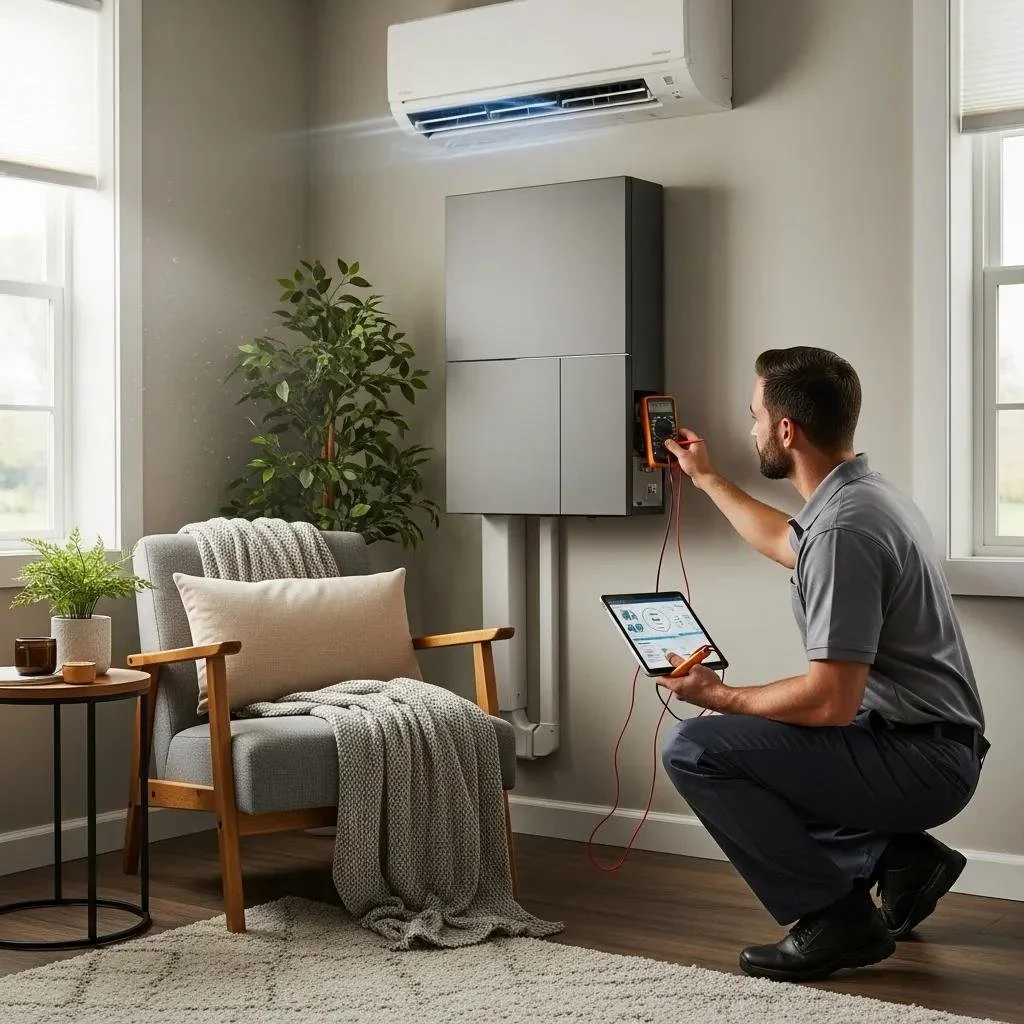
HVAC systems keep homes comfortable, but faults can cut performance. Knowing common problems and simple fixes saves you time and money. This guide covers air conditioner and heating failures and practical troubleshooting steps. Deal with issues fast to avoid big repairs and extend your system's life. We cover AC troubleshooting, furnace faults, thermostat problems, and key maintenance tips to keep your HVAC running smoothly.
Why is my HVAC system not working properly?
Failures often cause discomfort and higher energy bills. Common causes include dirty air filters, blocked vents, and refrigerant leaks. These reduce airflow, lower efficiency, and can lead to breakdowns. Finding the root cause makes troubleshooting and repair more effective.
What are the common symptoms of HVAC system failure?
Spotting failure signs helps you act quickly. Common indicators include:
Inconsistent Temperatures: Rooms may feel too hot or too cold, indicating a problem with the system's ability to regulate temperature.
Frequent Breakdowns: If the system requires constant repairs, it may be a sign of underlying issues that need addressing.
Rising Energy Bills: A sudden increase in energy costs can indicate that the HVAC system is working harder than necessary due to inefficiencies.
How do dirty filters and refrigerant leaks affect HVAC performance?
Clogged filters and refrigerant leaks harm system performance.
Poor Airflow: Clogged filters restrict airflow, causing the system to work harder and leading to increased energy consumption.
Increased Energy Bills: When the system struggles to maintain temperature, energy bills rise as it consumes more power.
Need for Regular Maintenance: Regularly changing filters and checking for refrigerant leaks can prevent these issues and ensure optimal system performance.
How can I troubleshoot common air conditioner problems?
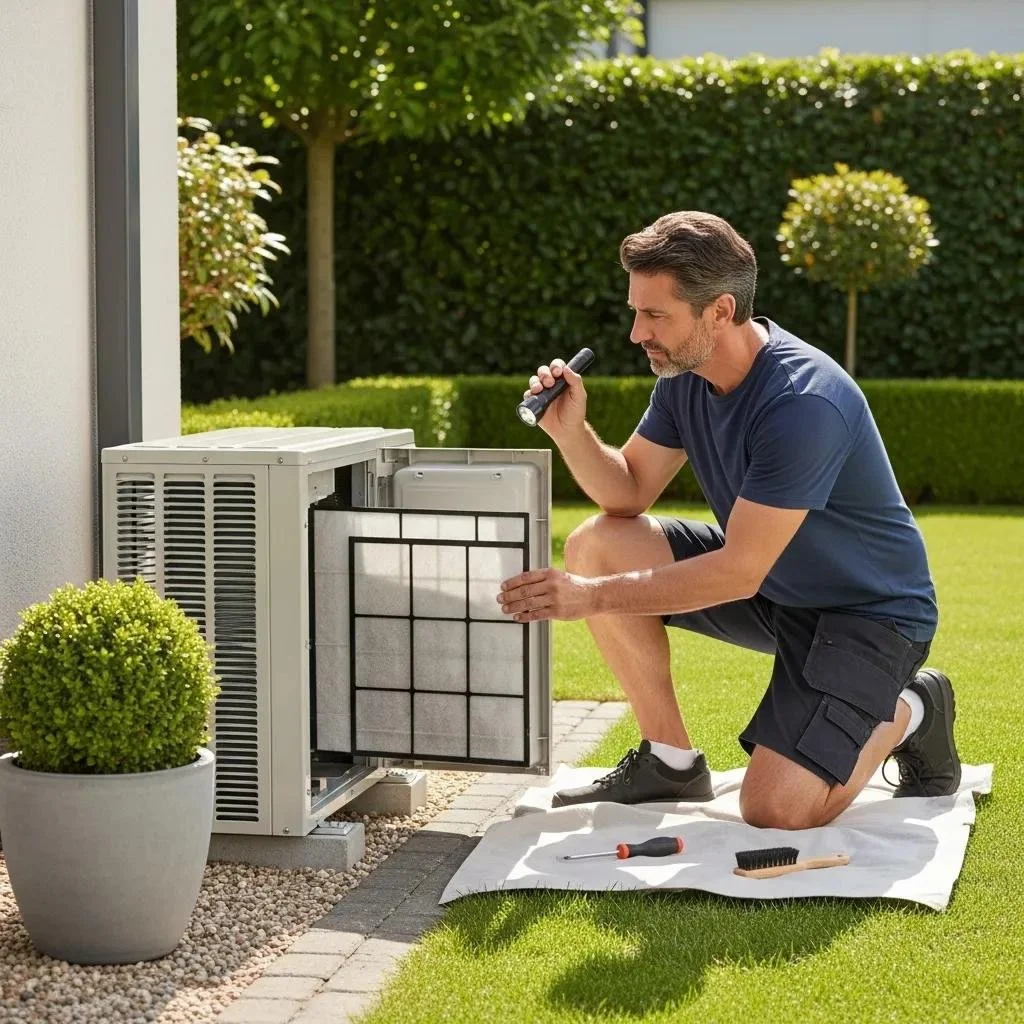
Start with simple checks and work step by step to find the fault. A methodical approach helps you restore cooling faster.
Check Air Filters: Ensure filters are clean and replaced regularly to maintain airflow.
Inspect Vents: Make sure vents are not blocked by furniture or debris, allowing for proper air circulation.
Look for Refrigerant Leaks: Check for signs of refrigerant leaks, such as hissing sounds or ice buildup on the coils.
What causes an air conditioner to stop cooling effectively?
Common causes include dirty filters, blocked vents, and low refrigerant. Each one reduces cooling efficiency and may need cleaning or professional repair.
Dirty Air Filters: Clogged filters restrict airflow, reducing cooling efficiency.
Blocked Vents: Obstructions can prevent cool air from circulating throughout the home.
Refrigerant Leaks: Low refrigerant levels can hinder the cooling process, requiring professional repair.
Which quick fixes can restore AC functionality at home?
Try a few quick fixes before calling a technician: replace dirty filters, clear blocked vents, and schedule routine maintenance. These steps often restore airflow and cooling performance.
Check and Replace Air Filters: Regularly changing filters can improve airflow and efficiency.
Inspect Vents: Ensure all vents are open and unobstructed to allow for proper air distribution.
Schedule Routine Maintenance: Regular professional maintenance can identify and resolve issues before they escalate.
What are frequent furnace and heating system issues and their solutions?
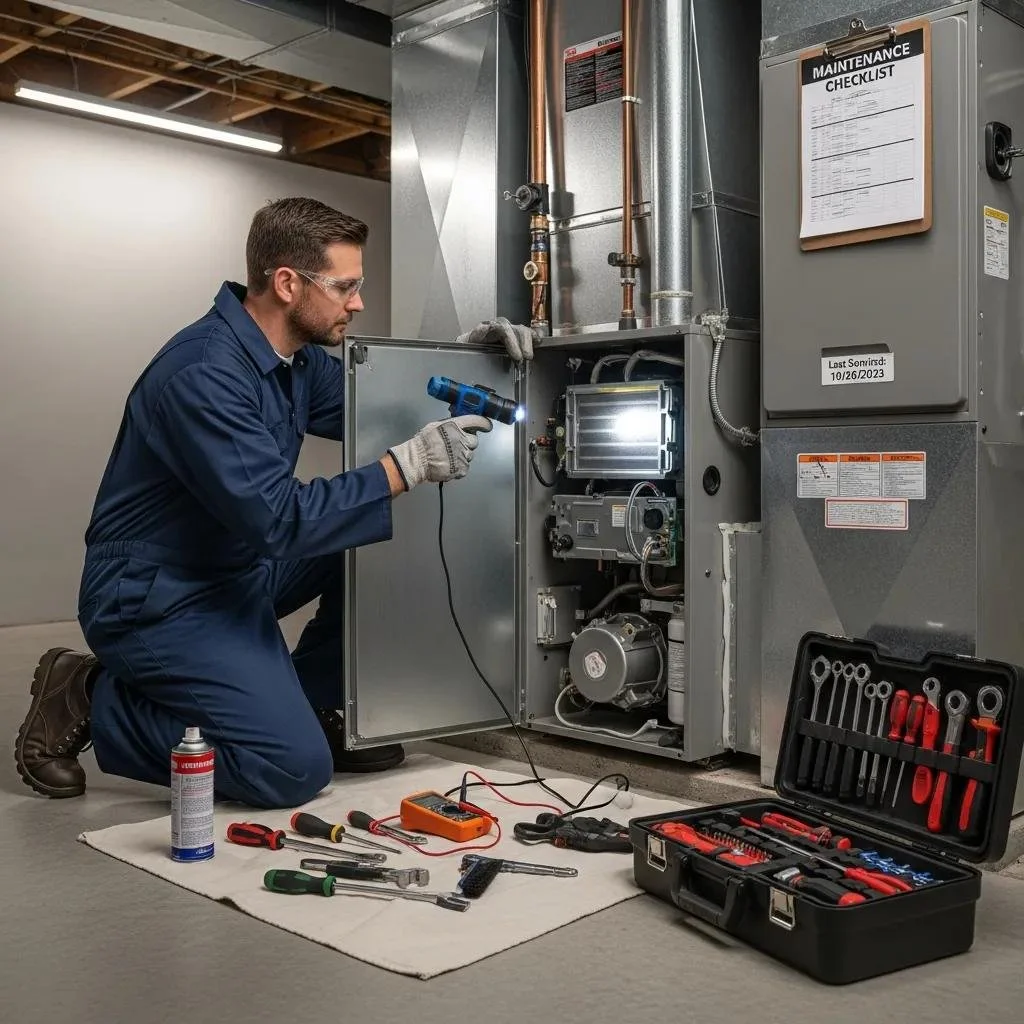
Furnaces can show odd noises, uneven heating, and rising energy costs. Catching these problems early helps prevent costly repairs and keeps your home warm when you need it.
How to identify and fix noisy furnace problems?
Noise often points to loose parts or blower trouble. Listen for banging or rattling and check for loose components. If the noise continues after basic checks, have a technician inspect the unit.
Listen for Unusual Noises: Pay attention to sounds like banging or rattling, which may suggest loose parts or mechanical issues.
Check for Loose Parts: Inspect the furnace for any loose components that may need tightening.
Inspect the Blower: A malfunctioning blower can cause noise and should be checked for proper operation.
When should I consider furnace repair versus replacement?
Choose repair or replacement based on age, repair frequency, and efficiency. Older units that break down often or run inefficiently usually make replacement the smarter long-term choice.
Age of the Furnace: Older units may be less efficient and more prone to breakdowns, making replacement a better option.
Frequency of Breakdowns: If repairs are becoming frequent, it may be more cost-effective to invest in a new system.
Energy Efficiency: Newer models often offer better energy efficiency, leading to long-term savings on energy bills.
How do I troubleshoot thermostat and control problems in HVAC systems?
A faulty thermostat can disrupt comfort and efficiency. Learn basic checks so you can fix control problems quickly.
What are signs of thermostat malfunction affecting heating and cooling?
Look for clear signs that the thermostat is failing:
Unusual Noises: Clicking or buzzing sounds may indicate electrical issues.
Inconsistent Temperatures: If the system does not maintain the set temperature, the thermostat may be faulty.
Increased Energy Bills: A malfunctioning thermostat can lead to inefficient system operation, resulting in higher energy costs.
How to reset or recalibrate your thermostat for optimal performance?
Locate the Reset Button: Most thermostats have a reset button; consult the manual for specific instructions.
Follow Manufacturer Instructions: Each thermostat may have different reset procedures, so it's essential to follow the guidelines.
Test System After Resetting: After resetting, monitor the system to ensure it operates correctly.
What HVAC maintenance quick fixes can prevent common issues?
Simple maintenance prevents many common problems and keeps systems efficient. Regularly change filters, clean coils, and seal duct leaks to maintain performance.
Check and Replace Air Filters: Regularly changing filters can improve airflow and efficiency.
Clean Coils: Keeping the evaporator and condenser coils clean can enhance heat exchange and system efficiency.
Inspect Ductwork for Leaks: Sealing duct leaks can prevent energy loss and improve system performance.
How often should HVAC filters be replaced or cleaned?
Check filters monthly and replace about every three months. Homes with pets or high dust may need changes more often.
Check Monthly: Homeowners should inspect filters monthly to determine if they need cleaning or replacement.
Replace Every 3 Months: Generally, filters should be replaced every three months, but this may vary based on usage and environmental factors.
Consider Usage Factors: Homes with pets or high dust levels may require more frequent filter changes.
What routine checks can homeowners perform to maintain HVAC efficiency?
Do these routine checks: inspect and replace filters, clean coils, and book an annual tune-up. These steps catch small issues before they grow.
Inspect Air Filters: Regularly check and replace filters to ensure proper airflow.
Clean Coils: Keep coils clean to enhance heat exchange and system efficiency.
Schedule Annual Tune-Ups: Professional maintenance can identify and resolve issues before they escalate.
When should I call a professional for HVAC repair or replacement?
Know when to call a professional for HVAC repair or replacement. Getting help at the right time protects efficiency and comfort.
What emergency HVAC repair tips should homeowners know?
Turn Off the System: Immediately shut down the system to prevent further damage.
Check for Obvious Issues: Look for visible problems, such as leaks or blockages.
Contact a Professional: If the issue is not easily identifiable, it's best to call a qualified technician for assistance.
How to choose reliable local HVAC repair services in Colorado Springs?
Selecting a reliable HVAC repair service comes down to a few checks: verify credentials, read reviews, and compare quotes to find the best value.
Check Credentials: Ensure the service provider is licensed and insured.
Read Reviews: Look for customer reviews and testimonials to gauge service quality.
Get Multiple Quotes: Comparing quotes from different providers can help find the best value for services.
Frequently Asked Questions
What should I do if my HVAC system is making strange noises?
Unusual sounds often mean a mechanical issue. Identify the noise: banging or rattling usually points to loose parts; hissing can mean a refrigerant leak. Turn the system off and check for visible problems. If the noise continues, call a technician to diagnose and repair the cause.
How can I improve the energy efficiency of my HVAC system?
Lower energy bills by changing filters, cleaning coils, sealing duct leaks, and insulating ducts. Schedule yearly professional maintenance to spot inefficiencies. A programmable thermostat can also optimise settings to match your routine.
What are the benefits of regular HVAC maintenance?
Regular maintenance improves efficiency, extends system life, and reduces energy costs. Routine checks catch small problems before they require costly repairs. Maintenance also keeps the system safe and can improve indoor air quality by reducing dust and allergens.
How can I tell if my HVAC system needs to be replaced?
Consider replacement if the system is 10–15 years old, breaks down often, or needs expensive repairs. Big jumps in energy bills or persistent uneven heating and cooling also suggest inefficiency. A pro can assess your system and recommend the best option.
What should I do if my thermostat is not responding?
Check the power and the operating mode (heating or cooling). Replace batteries and inspect for loose wiring. Try a reset following the manufacturer's steps. If it still won't respond, contact a professional for diagnosis and repair.
Are there any DIY HVAC repairs I can safely perform?
You can change filters, clean the outdoor unit, clear vent blockages, and reset the thermostat. For refrigerant leaks, electrical faults, or other complex issues, call a qualified technician. Always follow the manual and prioritise safety.
Conclusion
Knowing common HVAC faults and quick fixes helps you keep your home comfortable and systems efficient. Tackle issues like dirty filters, blocked vents, and thermostat faults promptly to avoid costly repairs and extend equipment life. Regular maintenance and early troubleshooting make a real difference. For more tips and detailed guides, explore our HVAC care resources.